

New Hope for Bangkok Airport Connectivity as Red Line Missing Link Moves Forward
Transport infrastructure has long been one of the strongest drivers of long-term property value in Thailand. But its real impact goes beyond simply building new rail lines. What matters is a city’s ability to strengthen connections between key destinations, making surrounding neighbourhoods more accessible and ultimately more valuable, even when large-scale infrastructure projects take longer than expected to complete.
That is the role the Red Line Missing Link is expected to play, much like previous rail expansions that have helped shape Bangkok’s urban growth.
As the high-speed rail project linking Don Mueang, Suvarnabhumi, and U-Tapao airports continues to face delays, the Red Line Missing Link is emerging as a practical solution to reinforce Bangkok’s existing transport network. The 25.9-kilometre route, including 22.4 kilometres of elevated track and 3.5 kilometres underground, will connect nine stations such as Phaya Thai, Makkasan, Ramkhamhaeng, and Hua Mak. Rather than waiting for one major project to be completed, Bangkok is continuing to improve citywide connectivity through its expanding urban rail system.
The significance extends beyond a single railway project. A city with multiple transport options is better connected, more flexible, and less dependent on any one piece of infrastructure. This is increasingly becoming the direction of major cities around the world, where the strength of an integrated transport network is often more important than the speed of an individual line.
For the property market, improved rail connectivity does more than shorten travel times. It expands access to business districts, airports, commercial centres, and employment hubs, making nearby residential areas more attractive for both homeowners and long-term investors.
From this perspective, the Ratchathewi–Phaya Thai corridor is well positioned to benefit from this continued investment in public transport. Already one of Bangkok’s best-connected neighbourhoods, the area could enjoy even stronger accessibility as the Red Line Missing Link further enhances connections between the city centre and Bangkok’s major airports.
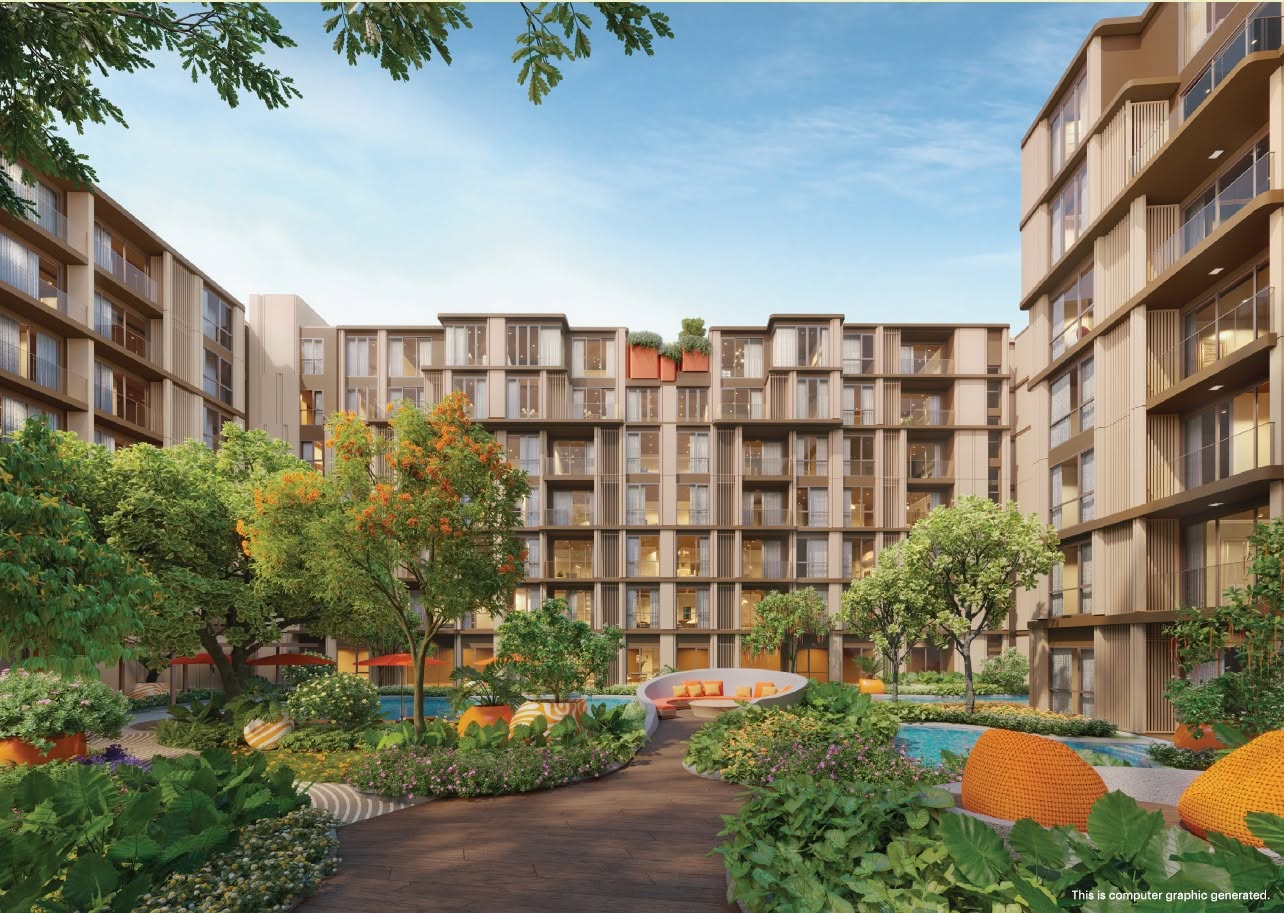
Within this broader trend, projects such as SHUSH Ratchathewi naturally fit into the city’s evolving transport landscape. Located close to the BTS Ratchathewi–Phaya Thai corridor, the project benefits not only from its central location but also from the long-term value created by Bangkok’s expanding rail network. Whether for homeowners, professionals, or long-term investors, connectivity remains one of the most resilient drivers of property value. With strong existing connectivity via Bangkok’s BTS network, well-developed facilities, and the future connectivity benefits of the Red Line Missing Link, the project is expected to deliver stable capital appreciation of around 3.6% annually.
Contact Solaya for more insights into Thailand’s real estate market, infrastructure, and the long-term trends shaping Bangkok’s future.
Cre: Nationthailand