

Panama Projects Higher State Revenue from Port Operations in the Next 18 Months
Recent reports from Panamanian media suggest that the government may receive significantly higher revenues from the operations of the Balboa and Cristóbal ports over the coming 18 months.
According to projections cited by local sources, Panama’s government could generate up to USD 100 million in net revenue from port activities during this interim period. If realized, this figure would represent a notable increase compared with the income historically received under the previous concession structure.
For those following Panama’s logistics and infrastructure sector, this development highlights the growing economic importance of port operations linked to the Panama Canal trade corridor.
A Meaningful Increase Compared with Historical Contributions
To understand the significance of the projection, it helps to look at the historical numbers.
Public reports indicate that Panama Ports Company (PPC) — which operated the ports under the concession agreement since 1997 — paid approximately USD 668 million to the Panamanian state over the entire 28-year period.
This total includes dividends from the government’s minority shareholding, concession fees, tariffs, and other payments.
On average, this translates to roughly: USD 24–27 million per year in government revenue.
For comparison, if we simply prorate that historical average over an equivalent 18-month period, the state would have received approximately: USD 36–40 million
under the previous concession structure.
| Period | Estimated Government Revenue |
| Historical average (1997–2025) | ~USD 24–27 million per year |
| Equivalent 18-month period (historical) | ~USD 36–40 million |
| Current projection (next 18 months) | Up to USD 100 million |
If the current forecast materializes, the projected revenue would be more than double the equivalent amount historically received over the same timeframe.
Strategic Importance of Panama’s Port Infrastructure
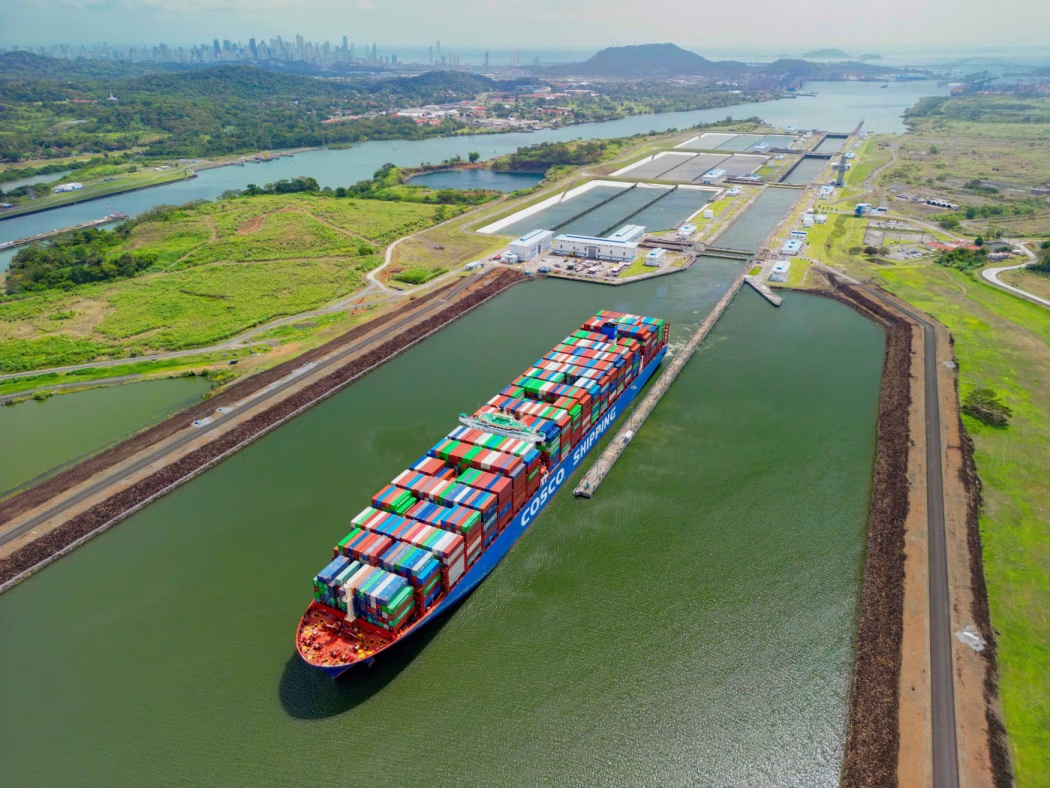
The ports of Balboa (Pacific side) and Cristóbal (Atlantic side) are two of the most important container terminals connected to the Panama Canal trade route.
Together they handle millions of TEUs annually, serving as key nodes in global shipping between the Americas, Europe, and Asia. Their performance is therefore closely linked to the broader logistics ecosystem that contributes significantly to Panama’s economy.
Stronger revenue capture from port operations could provide additional fiscal resources for national priorities such as infrastructure investment, logistics development, and long-term resilience of the canal system.
Projection for Now — Awaiting Further Government Confirmation
It is important to note that the USD 100 million figure remains a projection based on recent media reports and preliminary financial estimates.
More detailed information and confirmation from the Panamanian government are expected in the coming months as operational arrangements and financial reporting for the interim period become clearer.
Nevertheless, the current forecast already signals a potentially stronger fiscal contribution from Panama’s port sector compared with historical averages.
For observers of the region’s investment landscape, it is another reminder of how Panama’s strategic position in global shipping continues to shape its economic trajectory.
Solaya Insights
 Jane Vo