

How Four Structural Forces Are Reshaping Real Estate in Portugal and Greece
Solaya Insights
 Jane Vo
Real estate in Southern Europe is no longer simply evolving—it is being redefined. What was once a market driven by buildings and location is becoming a system shaped by infrastructure, mobility, and shifting human patterns.
Across markets like Portugal and Greece, this transformation is driven by four structural forces: global complexity, demographic change, sustainability, and artificial intelligence. These forces do not operate independently. They overlap and reinforce each other, reshaping how demand is formed and how assets are valued.
Global Complexity Is Redirecting Capital and Mobility
Mobility today is increasingly shaped by the search for stability in an uncertain environment. This does not reduce movement—it redirects it.
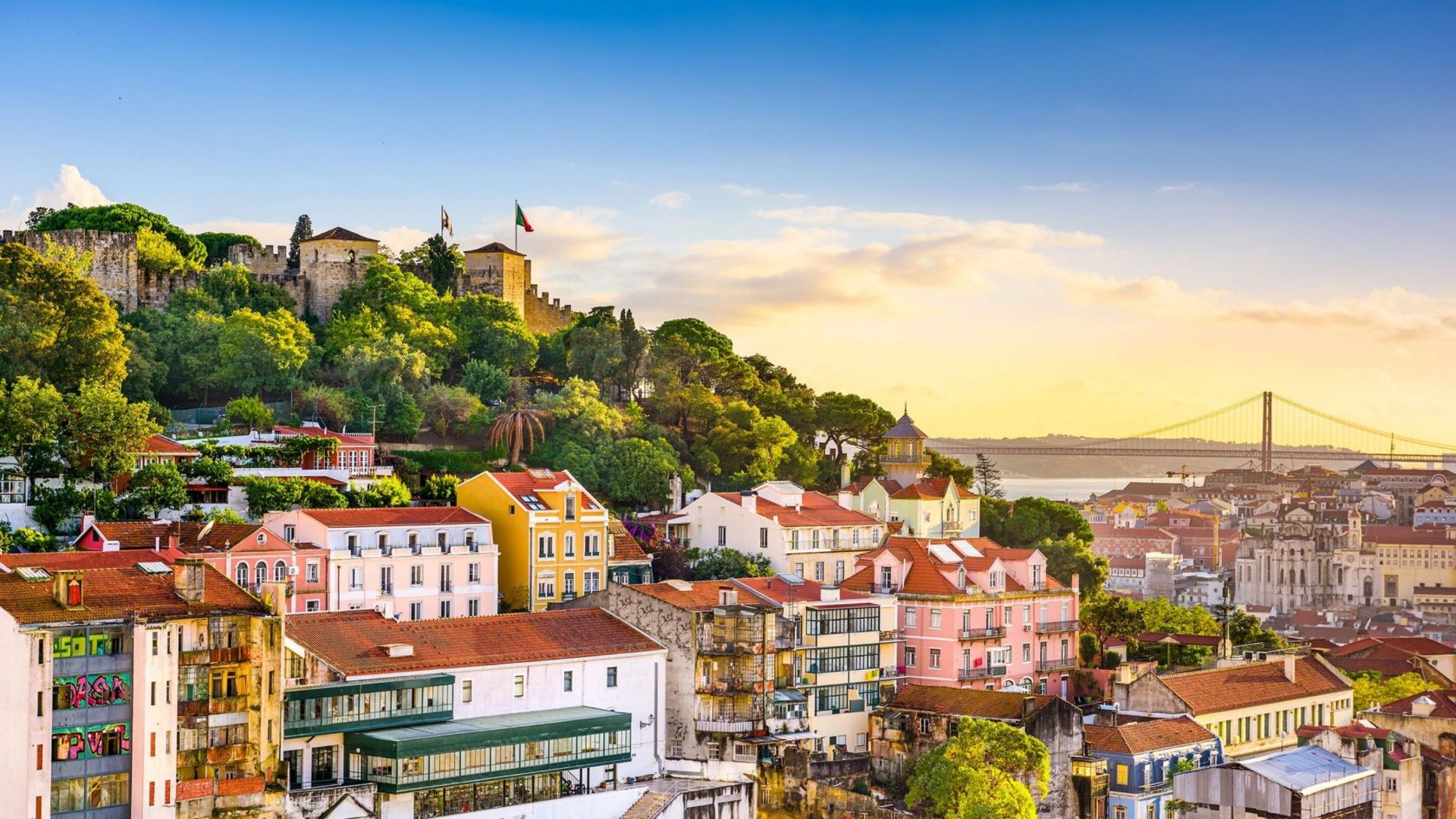
Portugal has positioned itself as a stable entry point into Europe, attracting both international capital and mobile populations. This is reflected in the growing uptake of residency pathways such as the D8 visa, alongside the continued appeal of cities like Lisbon and Porto, which rank among Europe’s preferred destinations for remote professionals due to their balance of safety, connectivity, and quality of life. At the same time, rising accommodation costs—particularly in Lisbon—are beginning to shape affordability dynamics.
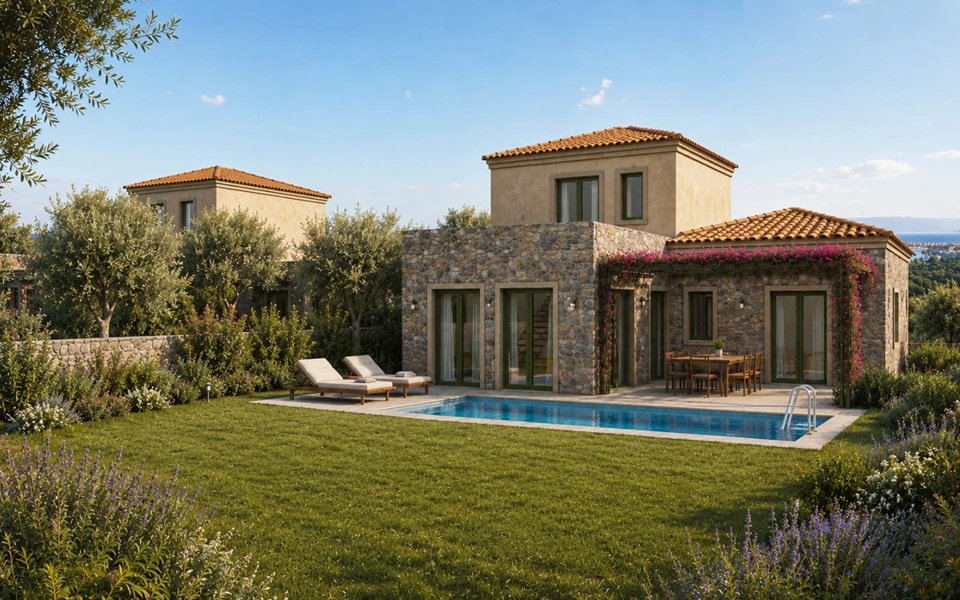
Greece is benefiting from a similar reallocation of demand through a different channel. International buyers continue to enter the market via residency-by-investment programs and tourism-driven demand, positioning the country as both an investment and lifestyle destination.
Demographic Change Is Reshaping Housing Demand
Demographic change remains the most immediate force, as it directly reshapes demand. Urban populations are not only growing—they are changing in composition.
Cities such as Athens, Lisbon, and Porto are absorbing a more fluid population that includes remote workers, international professionals, and semi-permanent residents. This challenges the traditional housing model built around stable, long-term households.
In Athens, this is reflected in rising demand for smaller apartments, driven by the growth of single-person households and a more mobile tenant base. In Portugal, similar dynamics are visible in the increasing demand for flexible rental options in urban centres.
Demand is no longer defined solely by where people live, but by how long they stay and how much flexibility they require. What appears as a lifestyle shift is, in reality, a structural change in how housing is consumed.
Sustainability Is Defining the Limits of Growth
As demand expands, sustainability is becoming a key constraint on how far real estate markets can grow. In both Portugal and Greece, the focus is shifting toward the capacity of urban systems to support that growth.
Housing pressure in cities like Lisbon illustrates this clearly. As international demand increases, affordability becomes a central issue for both local residents and incoming populations. At the same time, energy efficiency standards and infrastructure capacity are shaping which developments remain viable.
Real estate value is therefore shifting away from a purely location-based logic toward one that also reflects operational efficiency and long-term sustainability.
Artificial Intelligence Is Changing Real Estate Decisions
Technology is increasingly influencing how real estate is developed, managed, and valued. In both Portugal and Greece, data-driven models are being used to optimise pricing, forecast demand, and guide investment decisions, particularly in rental markets.
As a result, real estate is becoming more responsive. Value is no longer determined solely by physical characteristics, but also by how effectively an asset integrates into digital and operational systems.
Portugal and Greece: Two Stages of the Same Shift
Although both markets are shaped by the same forces, they reflect different stages of transformation. Portugal represents a more mature phase, where international demand is already established and structural changes are visible.
Greece reflects a transition phase. Demand continues to expand, supported by international buyers and urban regeneration, while pricing inefficiencies remain. Rather than separating the two markets, this places them along the same trajectory.
From Location to System
Taken together, these forces point to a broader redefinition of real estate in Southern Europe. The market is no longer driven solely by location, but by how assets fit within a system shaped by demographic flows, global mobility, sustainability constraints, and technological integration.
The key question is no longer simply where a property is located, but who it is built for, how that group lives and moves, and how the asset performs within a more complex environment.
That is where the real transformation of real estate is now taking place.